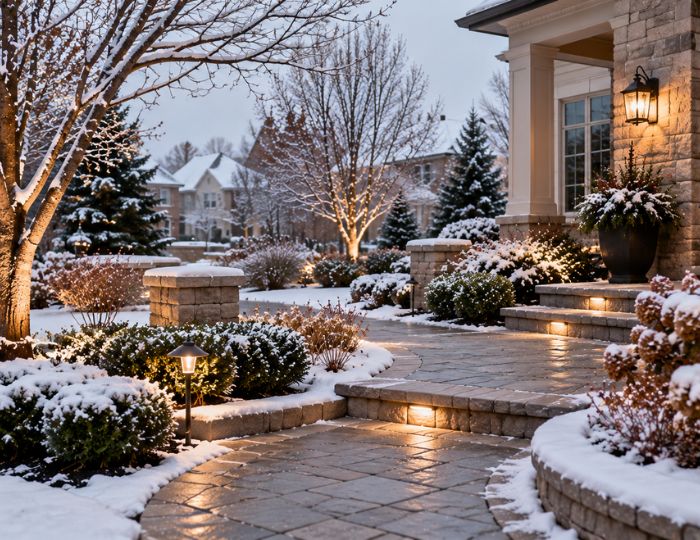
Chicago-area winters can dramatically change how your property looks and functions.
The lawn goes dormant, trees lose their leaves, planting beds become less prominent, and the patios, walkways, walls, and structural elements of the landscape become much more noticeable.
That makes late fall an important time to evaluate the entire property.
Preparing your yard for winter isn’t just about making it look tidy before cold weather arrives. It is also an opportunity to identify landscaping problems, organize maintenance, and decide which improvements should become priorities when outdoor projects resume.
At Salinas Landscaping, we look at landscapes as connected outdoor environments. Here are several areas homeowners should consider as winter approaches.
Start With a Complete Property Walkthrough
Before tackling individual projects, walk the entire property.
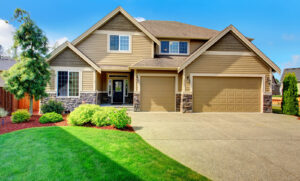
Look at the front yard, side yards, backyard, planting beds, trees, lawn areas, walkways, patios, and slopes.
Ask yourself:
- Which areas became overgrown this year?
- Where is the lawn struggling?
- Are there planting beds that need attention?
- Have shrubs begun crowding pathways?
- Are trees affecting other parts of the landscape?
- Does water appear to move poorly through certain areas?
- Are slopes difficult to maintain?
- Are patios or walkways no longer meeting your needs?
This type of assessment can help separate routine maintenance from larger landscape improvements.
Homeowners planning broader changes can learn more about what landscaping involves before developing a more complete plan.
Clean Up Lawn and Landscape Areas
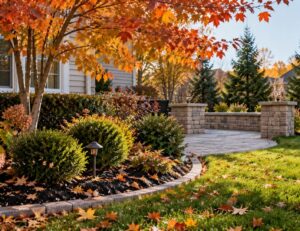
Once leaves fall and plants begin transitioning into dormancy, neglected areas become much easier to see.
Clean up unnecessary debris and restore definition to landscape beds and lawn edges.
If maintaining the property has become increasingly difficult, consider whether the issue is maintenance or design.
A professional yard renovation may make more sense when multiple portions of the landscape need attention.
For ongoing lawn needs, residential lawn care can also be incorporated into a more consistent property-maintenance plan.
Don’t Automatically Assume More Maintenance Is the Answer
A yard that constantly requires excessive work may have underlying design issues.
There may be too much lawn, poorly positioned plants, undefined beds, difficult slopes, or outdoor spaces that no longer match how the household uses the property.
Our guide to creating a lower-maintenance backyard without sacrificing beauty explores how design choices can affect long-term maintenance.
Evaluate Trees and Shrubs
With much of the landscape becoming dormant, trees and shrubs deserve a closer look.
Inspect their placement and condition.
Have shrubs grown into walkways or other plants? Are there trees that appear damaged or poorly positioned? Would additional trees improve privacy, shade, or the overall structure of the landscape next year?
Professional tree trimming, planting, and removal can address several different tree-care needs.
For shrubs, professional bush trimming can help maintain cleaner landscape areas.
If you’re already thinking about next season, new plantings can become part of a broader plan rather than an impulse purchase once spring arrives.
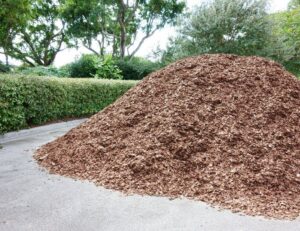
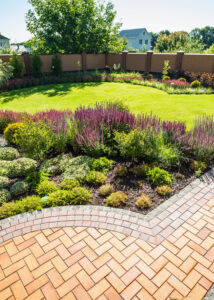
Review Your Mulch Beds
Landscape beds often lose some of their definition as the growing season progresses.
Before winter, look at their shape, edging, plant spacing, and overall condition.
Mulch can help create a finished appearance, but simply adding more material isn’t always the first step. Beds should be evaluated and prepared appropriately.
Salinas Landscaping offers mulch installation as part of its landscaping services.
You can also use winter to plan which beds should be expanded, simplified, redesigned, or replanted next season.
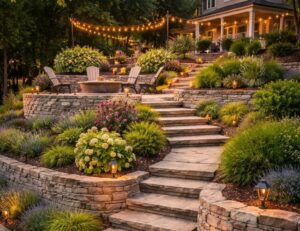
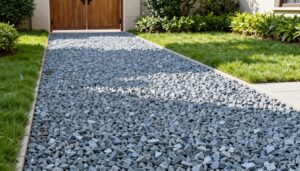
Inspect Patios and Walkways
Once much of the landscape goes dormant, hardscape becomes more visually prominent.
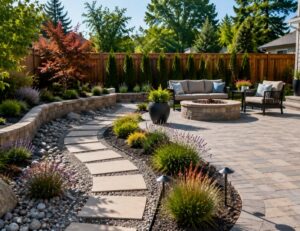
This is a good opportunity to consider whether your existing patio and walkways actually work for your household.
Is the patio large enough for your furniture and entertaining needs?
Do pathways connect the areas people actually use?
Could a different layout make the backyard more functional?
Homeowners considering future projects can review what hardscaping includes and learn more about the role of pavers in hardscape design.
A professionally designed paver patio or paved walkway can help create clearer, more usable outdoor areas.
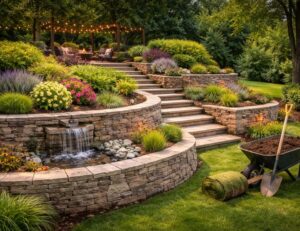
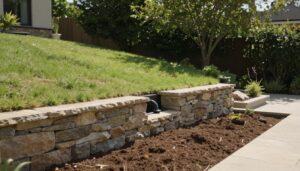
Pay Attention to Sloped Areas
Slopes can be among the most challenging areas of a residential landscape.
They can limit usable space, complicate maintenance, and influence how the rest of the yard is designed.
Winter planning gives you time to think about whether a difficult slope should remain as it is or become part of a larger landscape project.
Our guide to landscaping a hill explores ways slopes can be approached with both appearance and function in mind.
In some situations, a professionally installed retaining wall can become an important structural and visual component of the landscape.
Think About Next Year’s Landscape Before Spring
You don’t need to wait for the first warm weekend to decide what you want from your yard.
Winter provides time to identify priorities.
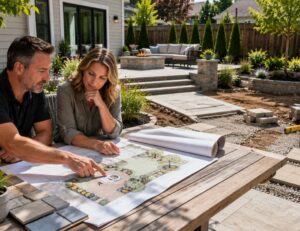
Maybe you want a more attractive front entrance. Perhaps your backyard needs better gathering space. You may want new plantings, a patio, a walkway, or a solution for a difficult slope.
Thinking through these improvements together can create a more cohesive landscape.
Before making plans, review the biggest outdoor design mistakes homeowners make and consider how each new feature will interact with the rest of the property.
Build a Landscape That Works Beyond One Season
A well-designed landscape should make sense throughout the year.
Trees, shrubs, planting beds, lawns, patios, walkways, and walls all contribute to the overall property even when the growing season has ended.
Winter preparation is therefore about more than cleaning up leaves.
It is an opportunity to evaluate what works, what doesn’t, and what you want your outdoor spaces to become.
When you’re ready to improve your property, explore Salinas Landscaping’s Chicago-area landscaping services and begin building a plan around your home’s needs.
Key Takeaways
Walk the entire property before winter and identify maintenance concerns as well as future improvement opportunities.
Evaluate trees and shrubs for condition, placement, and their role in the overall landscape.
Review landscape beds, mulch, lawn edges, and planting areas rather than treating each feature independently.
Inspect patios, walkways, and slopes to identify areas that could become more functional.
Use winter as planning time so larger landscaping decisions don’t have to be rushed once spring arrives.