Landscaping can completely transform your property—but only if it’s done right.
At Salinas Landscaping, we’ve seen firsthand how small mistakes can turn into costly problems. The good news? Most landscaping issues are avoidable with the right planning and guidance.
Here are the top 7 landscaping mistakes homeowners make—and how to avoid them.
1. Skipping a Clear Plan
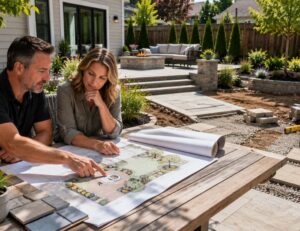
One of the biggest mistakes is jumping into a project without a clear vision.
Without a plan, homeowners often end up with:
-
Mismatched features
-
Poor layout flow
-
Wasted time and money
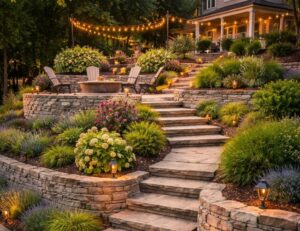
At Salinas Landscaping, we always recommend starting with a structured approach like our landscape design and build services to ensure everything works together from day one.
How to Avoid It
Think long-term. Consider how your yard will be used and how each element connects before starting.
2. Ignoring Drainage Issues
Drainage problems don’t just go away—they get worse.
Poor drainage can lead to:
-
Standing water
-
Soil erosion
-
Damage to your home’s foundation
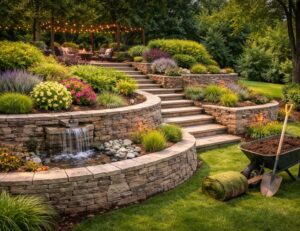
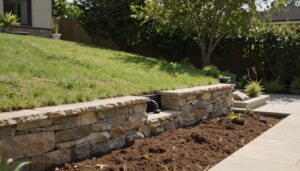
Solutions often involve proper grading and sometimes structural elements like retaining wall installation to control water flow effectively.
How to Avoid It
Address drainage early in the project. It’s much easier (and cheaper) to fix upfront than later.
3. Choosing the Wrong Plants
Not all plants thrive in every environment.
We often see homeowners choose plants based on appearance rather than:
-
Climate compatibility
-
Sunlight exposure
-
Maintenance requirements
This leads to struggling landscapes that require constant upkeep.
How to Avoid It
Work with professionals who understand local conditions and can recommend the right options, like our perennial planting services.
4. Overlooking Hardscaping Elements
Focusing only on plants while ignoring structure is a common mistake.
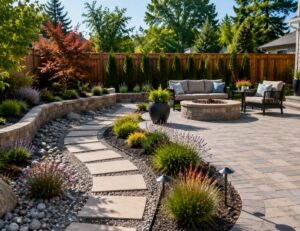
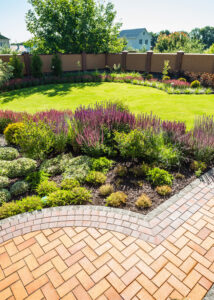
Hardscaping—like patios, walkways, and walls—creates the foundation of your outdoor space. Without it, your yard can feel incomplete.
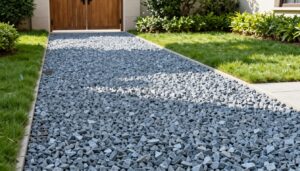
Features like patio paving in Chicago and walkway paving add both function and visual balance.
How to Avoid It
Think of your landscape as a system—plants + structure working together.
5. Underestimating Maintenance Needs
Some landscapes look great at installation—but become overwhelming to maintain.
Common issues include:
-
Overgrown plants
-
High-maintenance designs
-
Lack of upkeep planning
Even something as simple as consistent weekly mowing can make a major difference in keeping your yard looking its best.
How to Avoid It
Design with maintenance in mind. Choose solutions that match your time and budget.
6. DIYing Complex Projects
DIY can work for small tasks—but larger projects often require professional expertise.
We frequently fix issues caused by:
-
Improper grading
-
Poor installation
-
Structural failures
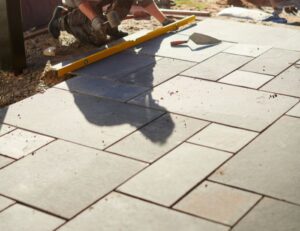
Projects like hardscaping and paver repair require precision and experience to get right.
How to Avoid It
Know when to call in professionals. It saves time, money, and frustration in the long run.
7. Not Investing in Long-Term Value
Some homeowners focus only on short-term fixes instead of long-term results.
This can lead to:
-
Repeated repairs
-
Lower property value
-
Missed opportunities for improvement
Investing in quality residential landscaping ensures your outdoor space continues to perform and look great for years.
How to Avoid It
Think of landscaping as an investment—not an expense.
Why Avoiding These Mistakes Matters
Every landscaping decision impacts:
-
Your home’s appearance
-
Property value
-
Usability of your outdoor space
At Salinas Landscaping, we help homeowners avoid these common pitfalls by providing expert guidance and full-service solutions—from landscaping to complete outdoor transformations.
If you’re planning a project and want to get it right the first time, explore our services or reach out through our contact page to get started.
TL;DR / Key Takeaways
-
Always start with a clear landscaping plan
-
Address drainage issues early
-
Choose plants suited to your environment
-
Balance landscaping with hardscaping elements
-
Plan for maintenance from the beginning
-
Avoid DIY for complex projects
-
Invest in long-term quality and value